


OCS Technology's SOC chips empower magnetic wireless charging solutions, leading the way in charging innovation


Recently, ChargingHead.com conducted an in-depth tear-down of the Pinshen magnetic wireless charging power bank, while also reporting on the OPS1033 wireless charging transmitter chip, independently developed by OCS Technology, as its core solution. Leveraging its highly integrated design, multi-protocol compatibility, and industrial-grade reliability, the OPS1033 chip has successfully enabled the power bank to innovate in the "desktop companion" scenario. Key highlights of the tear-down: How the OPS1033 chip is reshaping the power bank experience. The Pinshen rotating bracket magnetic wireless charging power bank features a 1A1C fast-charging port, supporting Huawei's 22.5W SCP super fast charging and 20W PD fast charging, meeting the wired fast-charging needs of devices from brands such as Huawei and Apple. Additionally, it incorporates a 10,000mAh battery, balancing portability requirements and power capacity for users on the go, such as during shopping trips. Its newly introduced rota-table bracket design allows the phone to be used in both portrait and landscape orientations while charging, enhancing practicality. The product also supports up to 15W wireless charging, making it compatible with the new Apple iPhone 17 series. The OCS Technology OPS1033 chip delivers outstanding performance in elevating the capabilities of power banks.
Unboxing of Pisen 15W Magnetic Wireless Charging Power Bank
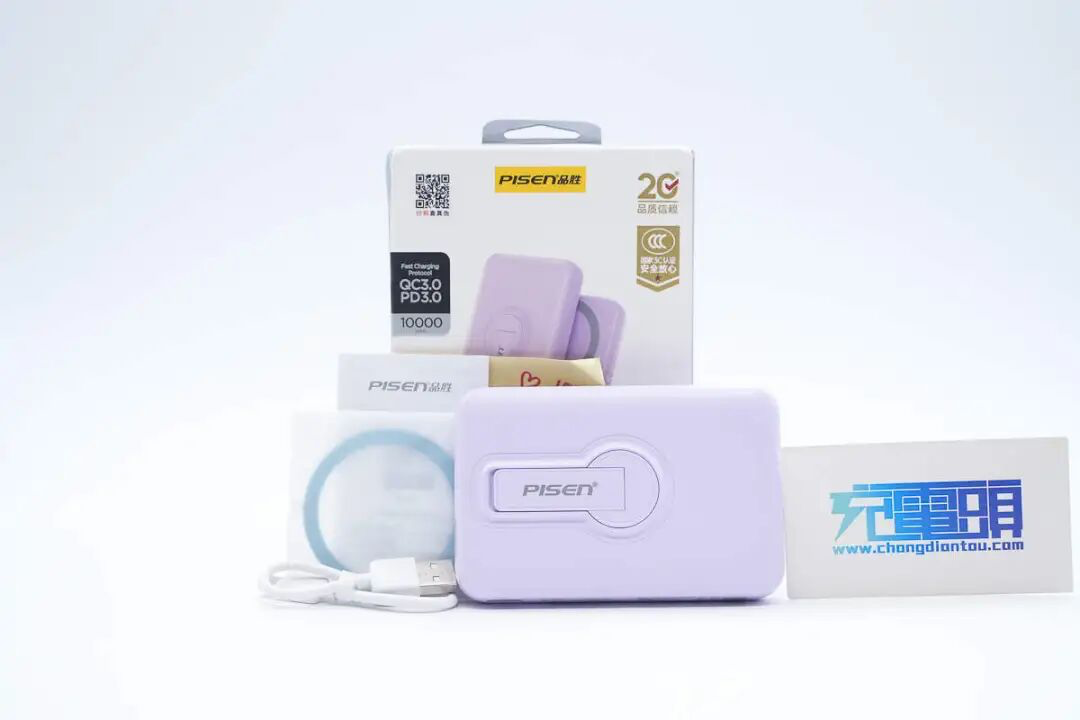
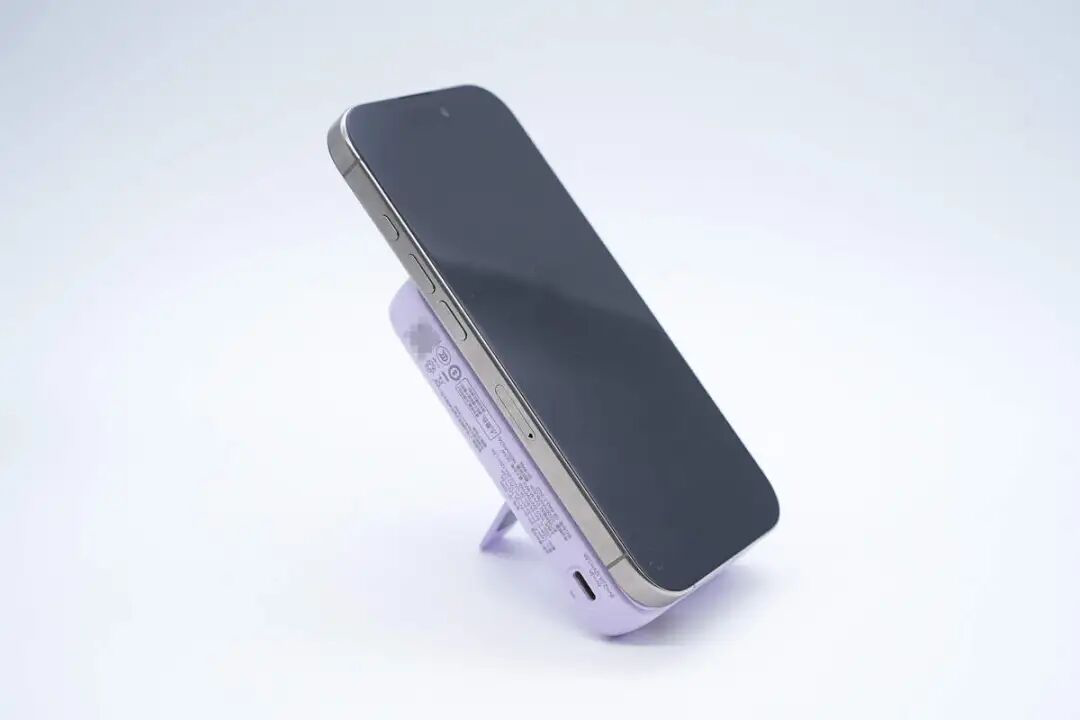
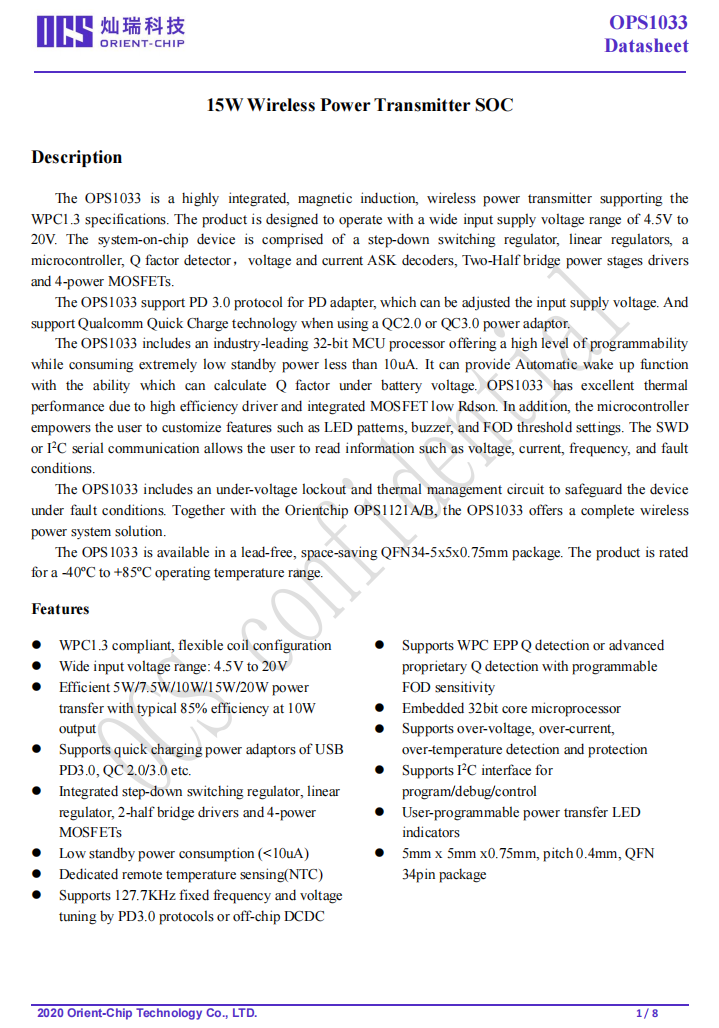
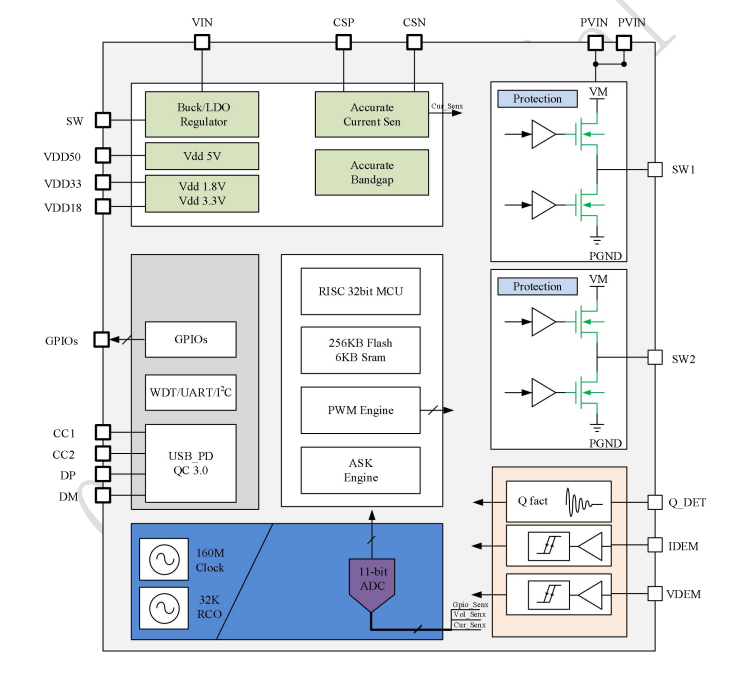
The OPS1033 is a highly integrated magnetic induction wireless power transmission chip that fully complies with the WPC1.3 specification. This chip operates stably across a wide input voltage range of 4.5–20 V and integrates key components, including a buck switching regulator, a linear regulator, a 32-bit MCU micro-controller, a Q-factor detector, a voltage and current ASK decoder, a dual half-bridge power driver, and four power MOSFETs.
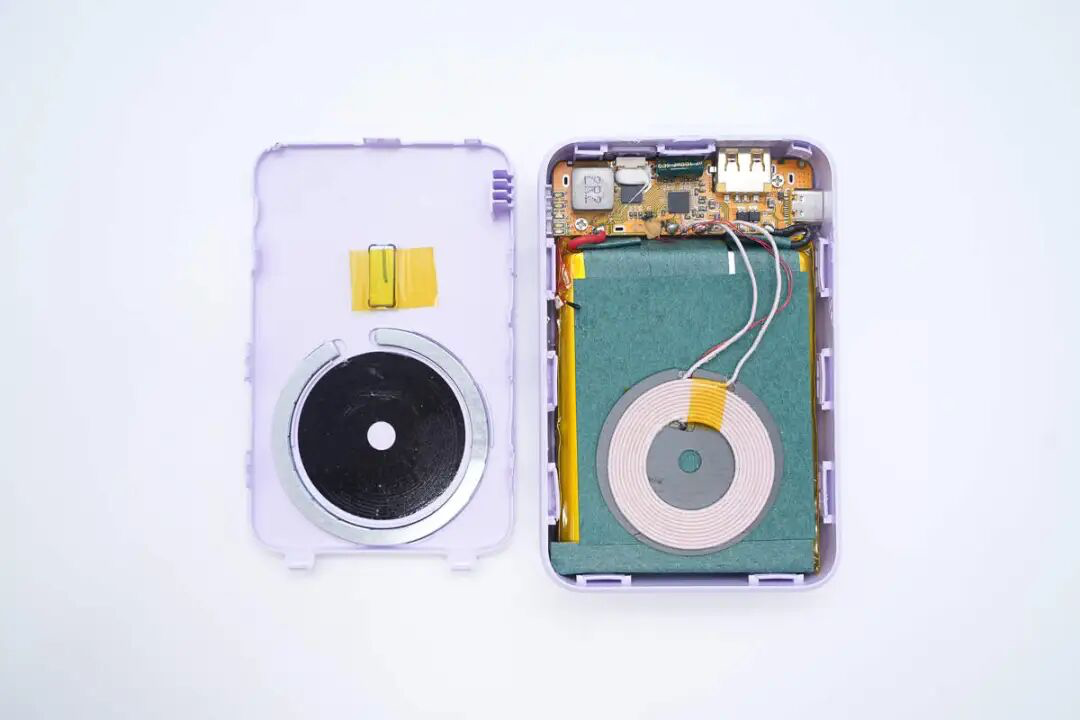
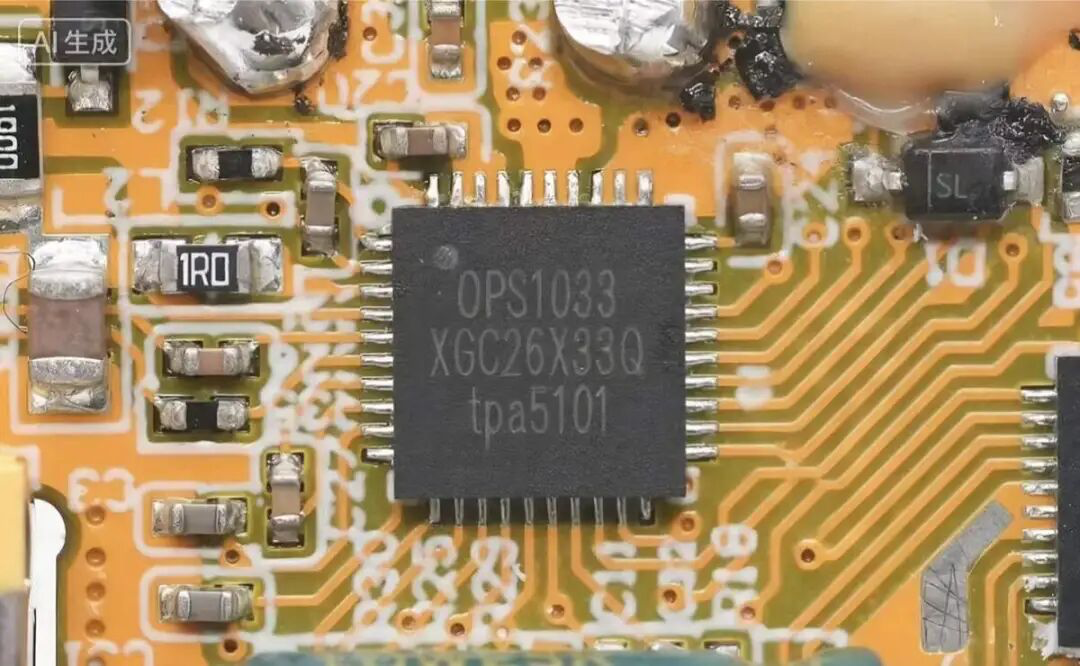
The OPS1033 supports dynamic voltage regulation via its PD3.0 protocol adapter and is compatible with Qualcomm's QC2.0/QC3.0 fast-charging technologies. Its 32-bit MCU processor maintains standby power consumption below 10μA while offering exceptional programmability, including automatic wake-up functionality and Q-factor calculation under varying battery voltages. Thanks to the optimal integration of a high-efficiency driver and a MOSFET with low on-resistance, the chip delivers outstanding thermal performance.
High Reliability: Guaranteed Stability in Harsh Environments
Users can flexibly customize LED display modes, buzzer alerts, and FOD threshold settings via the micro-controller, and monitor operating parameters—including voltage, current, and frequency—as well as fault status in real time through the SWD or I²C interface. The chip incorporates built-in under-voltage lockout and intelligent thermal management protection circuits; when combined with an orient-chip OPS1121A/B receiver chip, it can form a complete wireless charging solution. The OPS1033 features an environmentally friendly lead-free QFN34-5x5x0.75mm compact package and operates within an industrial-grade temperature range of-40°C to +85°C, making it suitable for a wide range of applications in harsh environments.
Drive the upgrade of the charging ecosystem
This teardown by ChargingHead.com not only reveals the technical core of Pinsen's magnetic wireless charging power bank but also highlights OCS Technology's innovative capabilities in the field of wireless charging chips. The OPS1033 chip, characterized by three key advantages—high integration, multi-protocol support, and robust reliability—has become the core engine driving scenario-based innovation in power bank applications. Moving forward, OCS Technology will continue to deepen its collaborations with partners across the industry chain, leveraging technical standardization and product integration to propel the wireless charging ecosystem toward broader applications.

